
No. 1
Tents
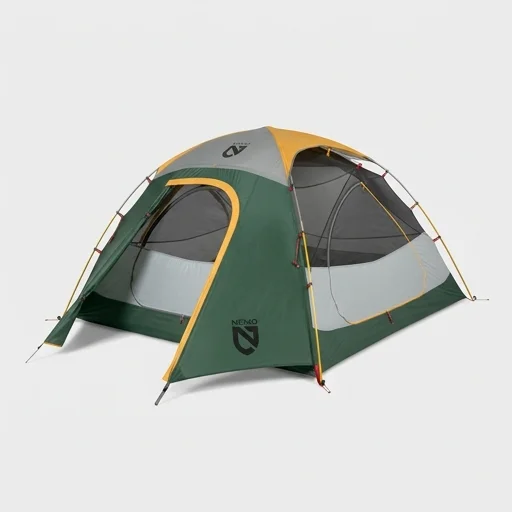
NEMO Dagger OSMO 2 Person Tent
- Ultralight OSMO fabric
- Spacious dual-door design
- Reliable 3-season performance
From ultralight backpacking stoves to four-season tents, we test camping and hiking gear on actual trails so you don't have to guess before your next trip.

Field-Tested & Trail-Approved
The gear our editors reach for first, before every trip.
Tents
Apparel
Apparel
Field Notes
Our editors live with each piece of gear across real miles, wet nights and cold mornings before it lands in a ranking. Same criteria for every category, tents to trekking poles, and we revisit the list as conditions and gear change.
— The TrailKettle field team
What every score weighs
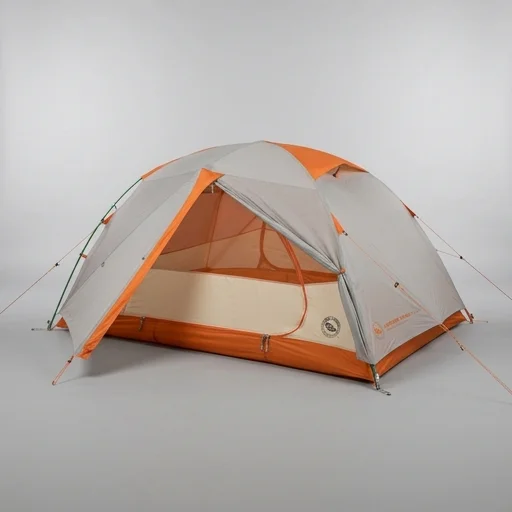
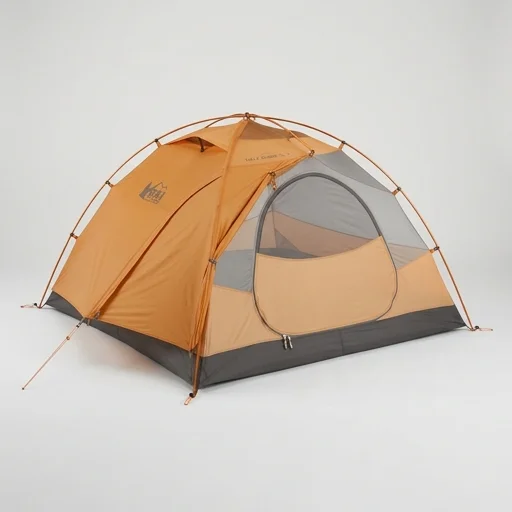
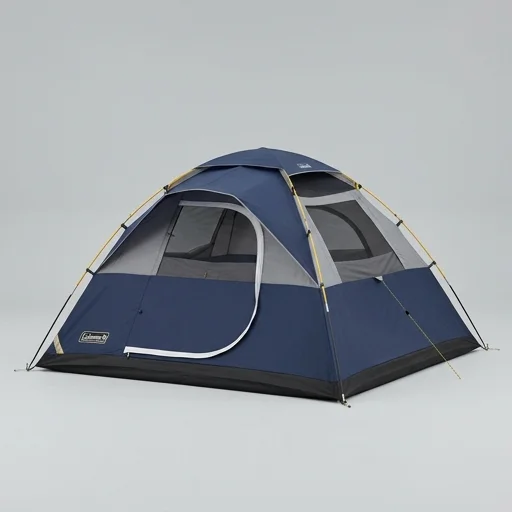
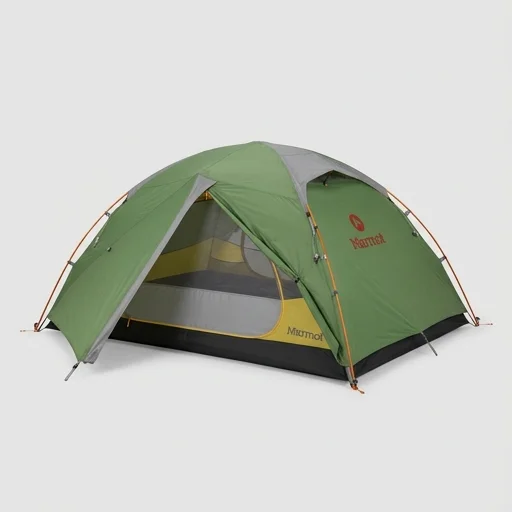
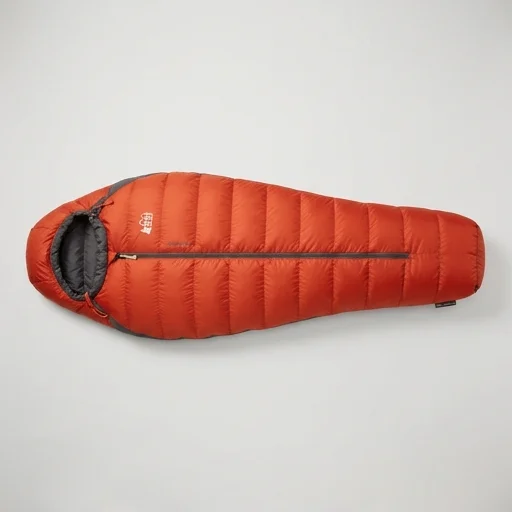
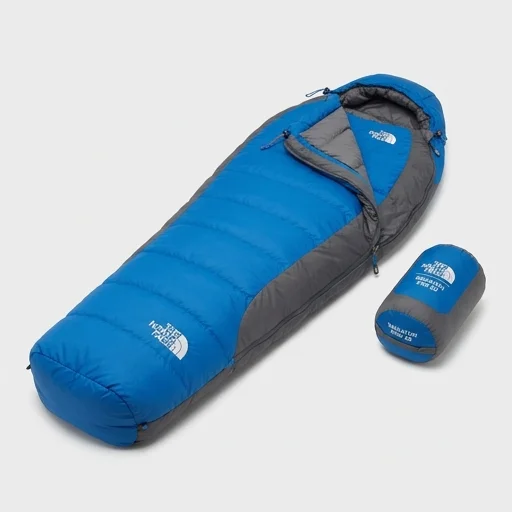
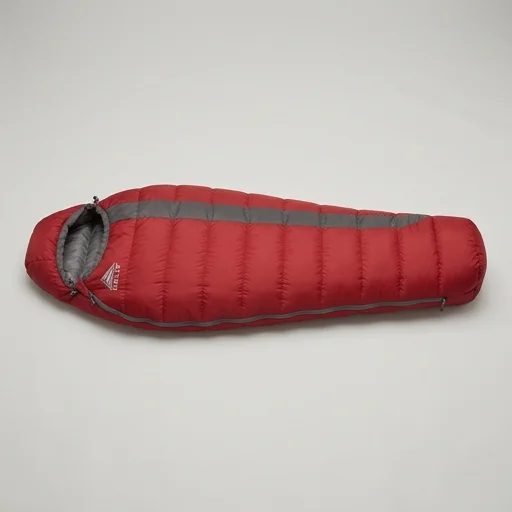
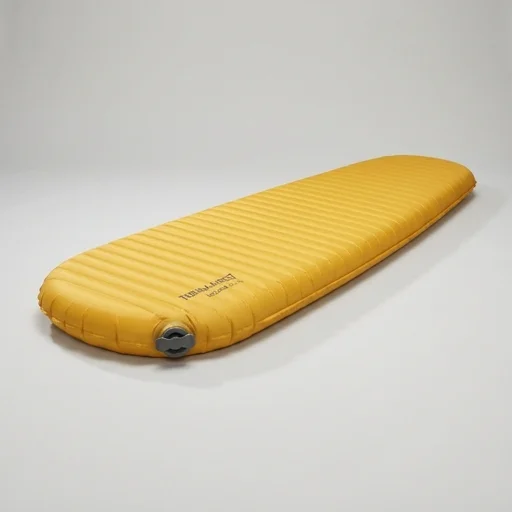
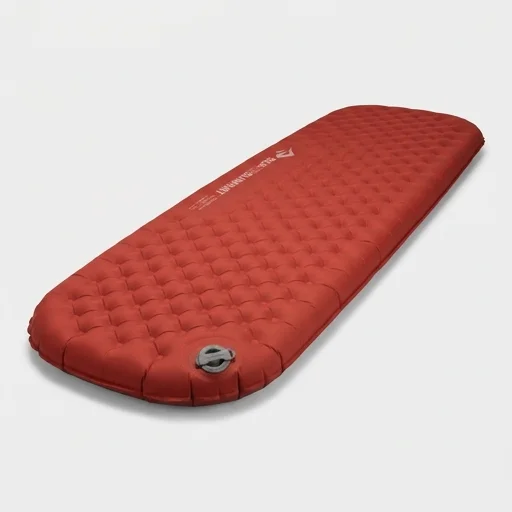
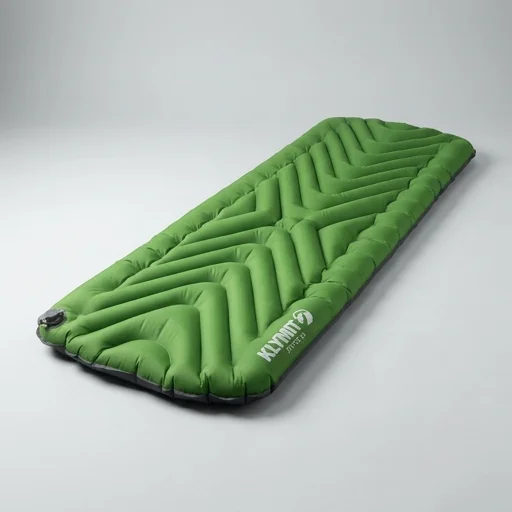
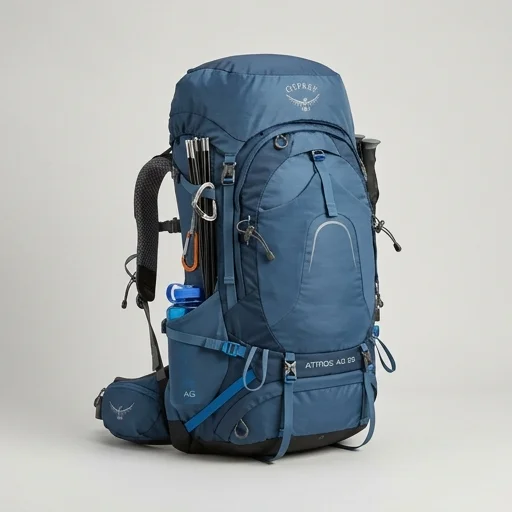
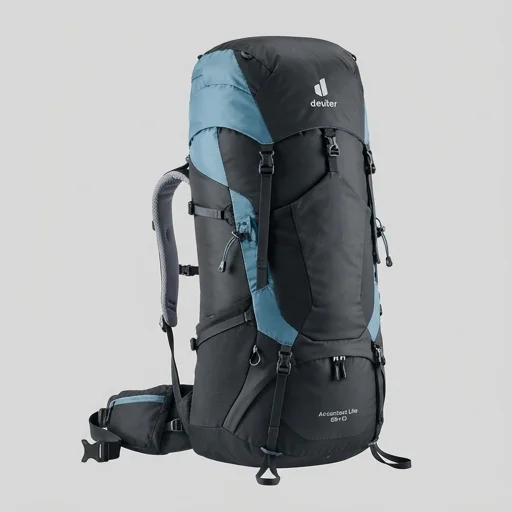
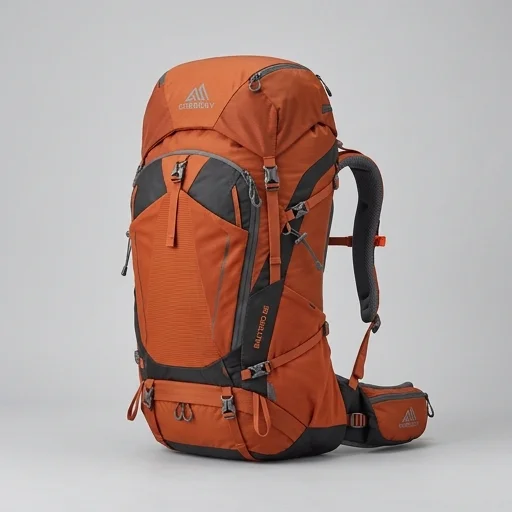
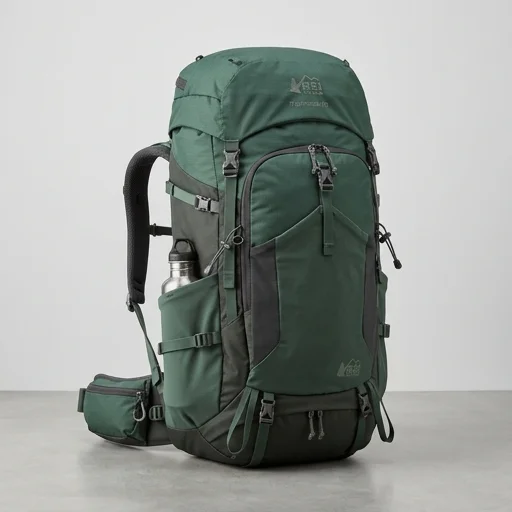
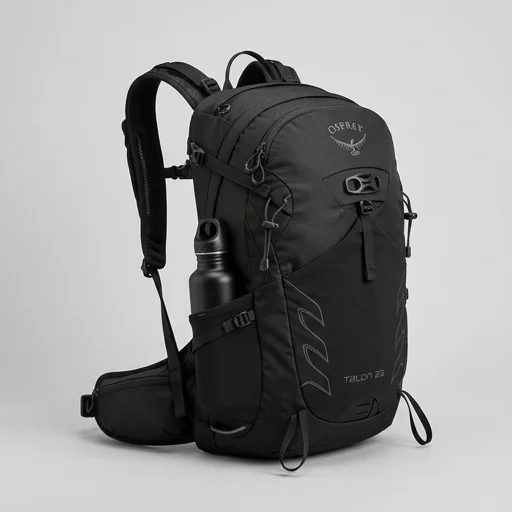
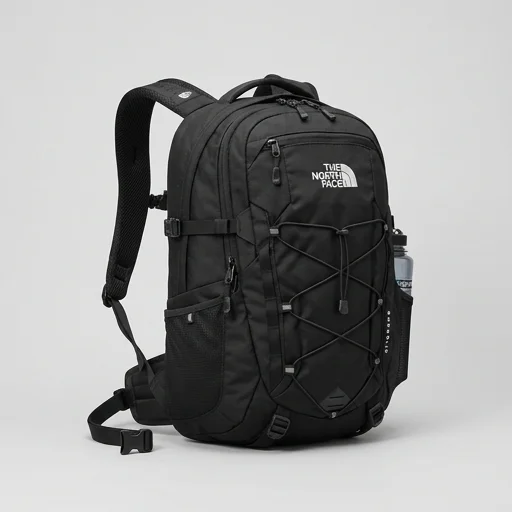
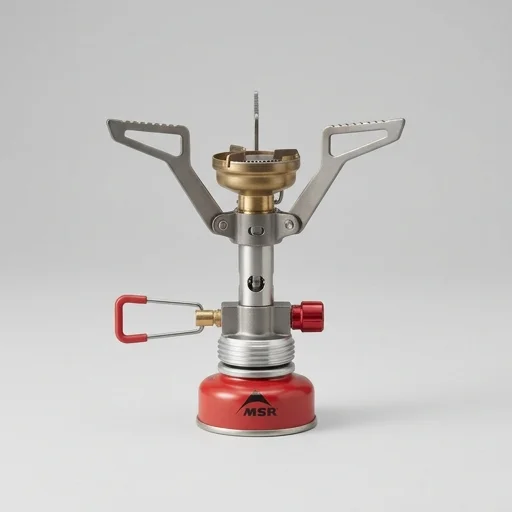
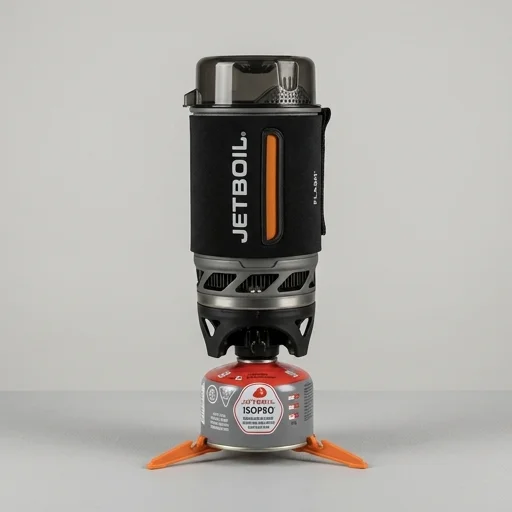
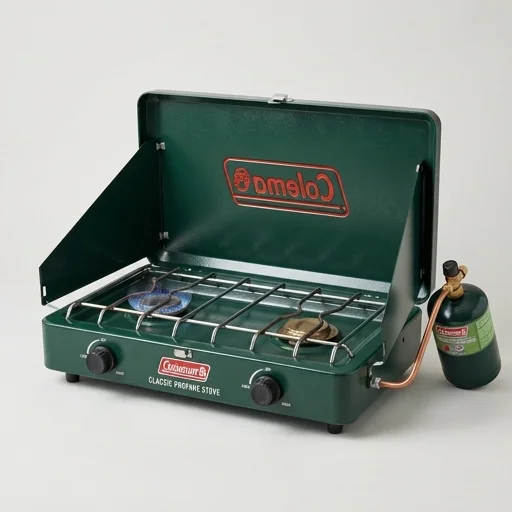
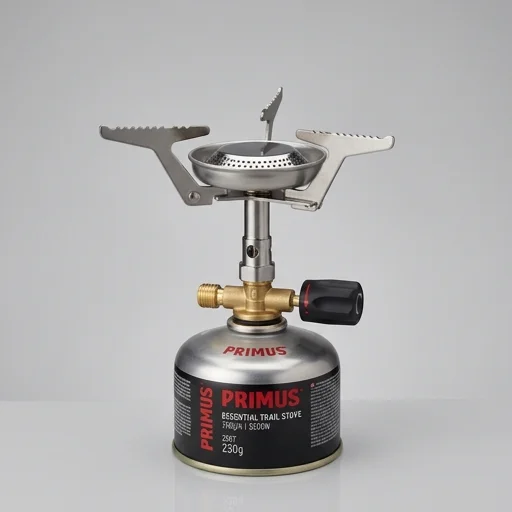
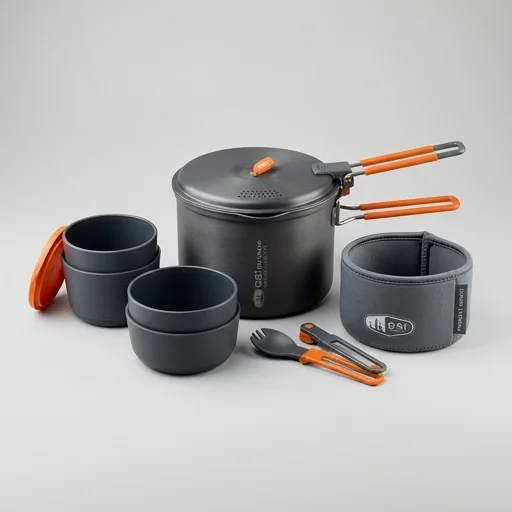
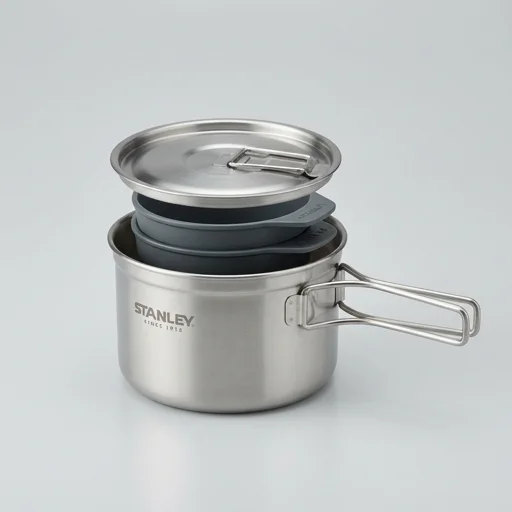
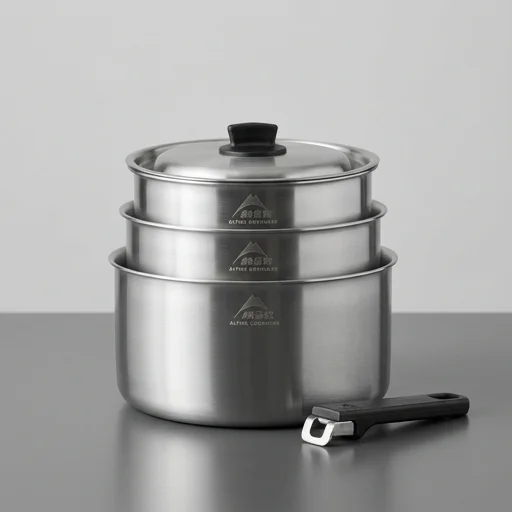
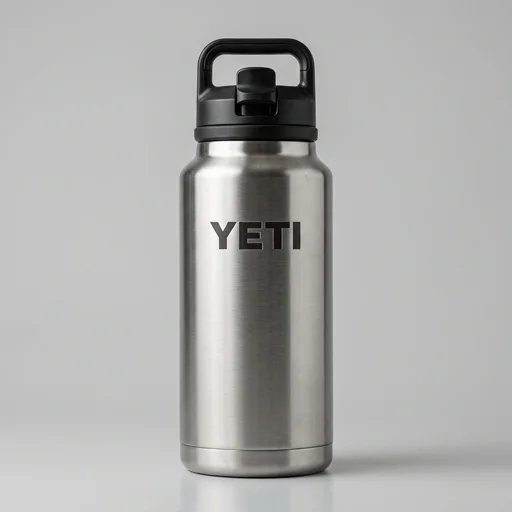
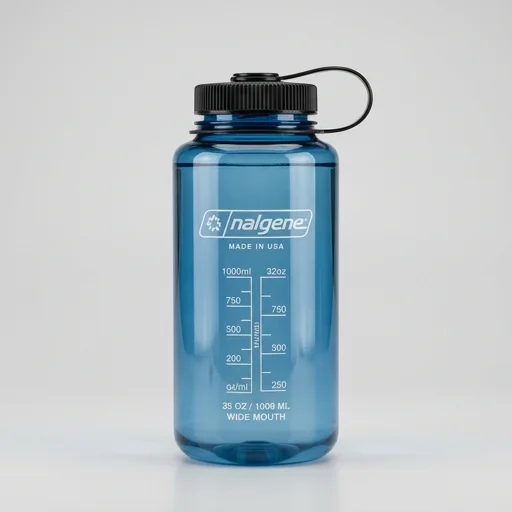
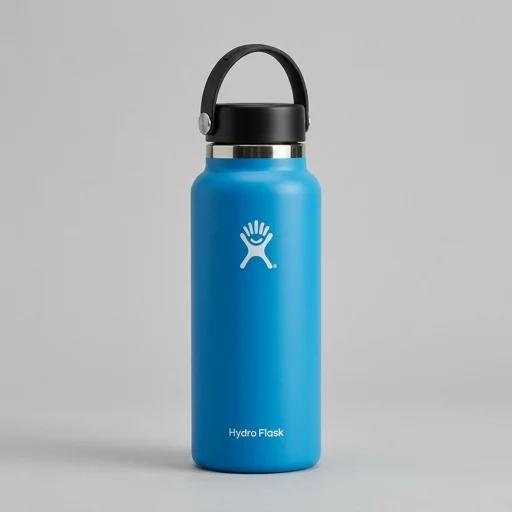
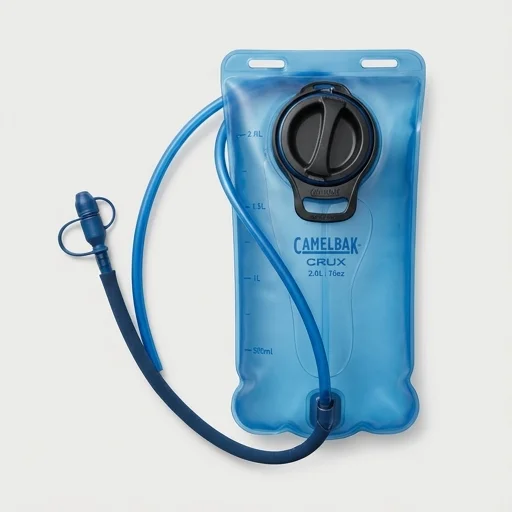
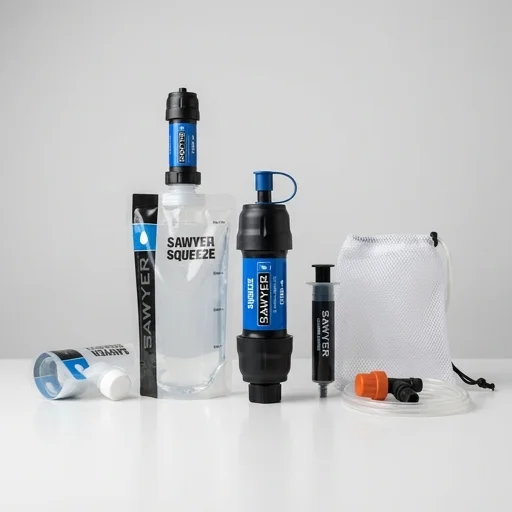
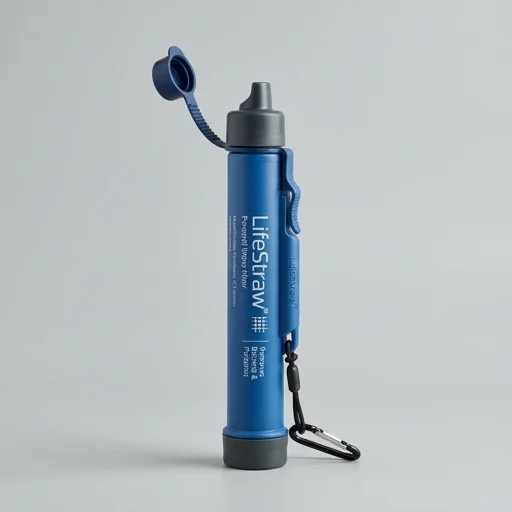
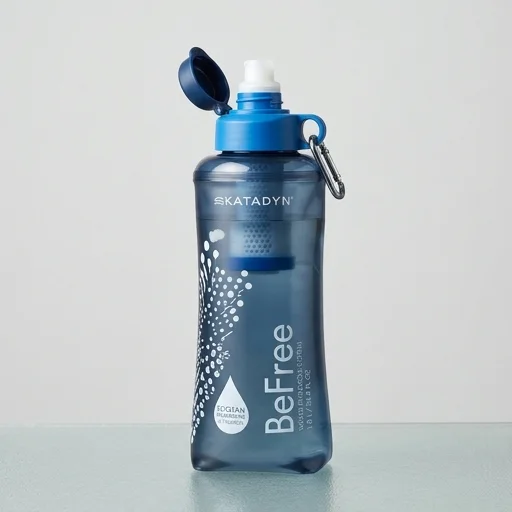
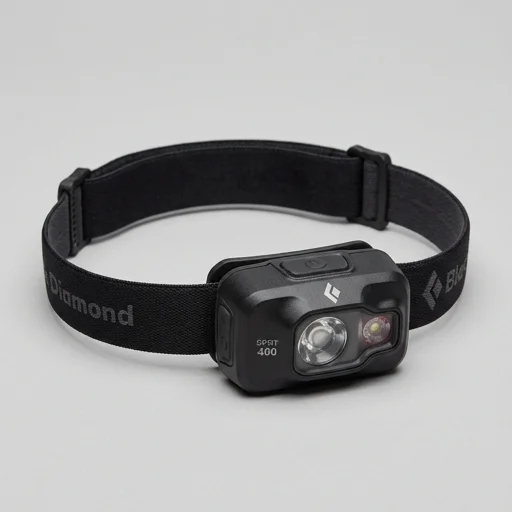
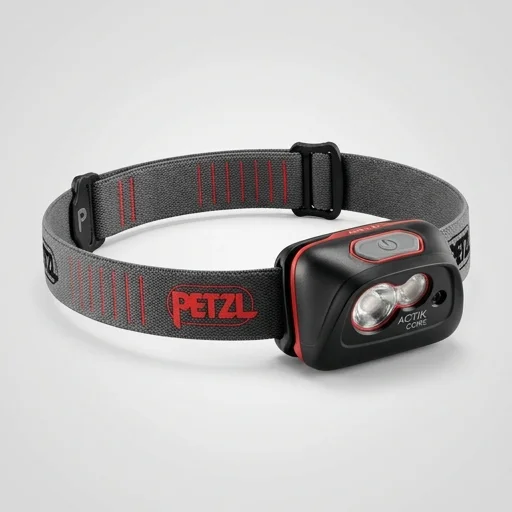
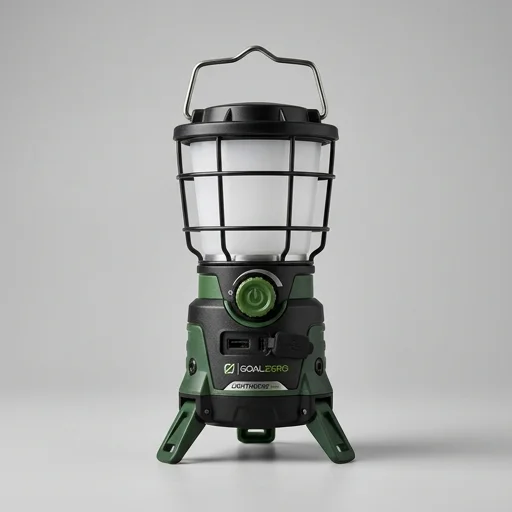
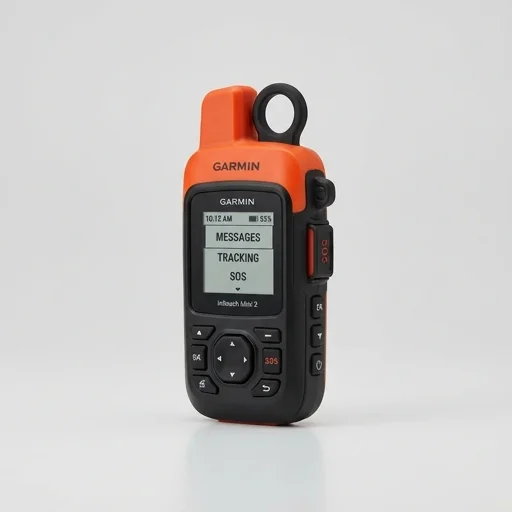
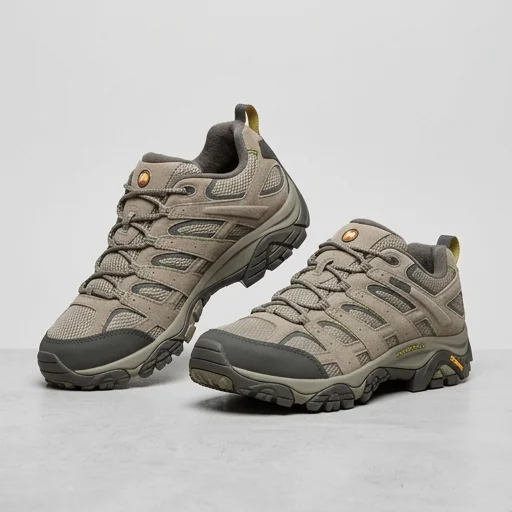
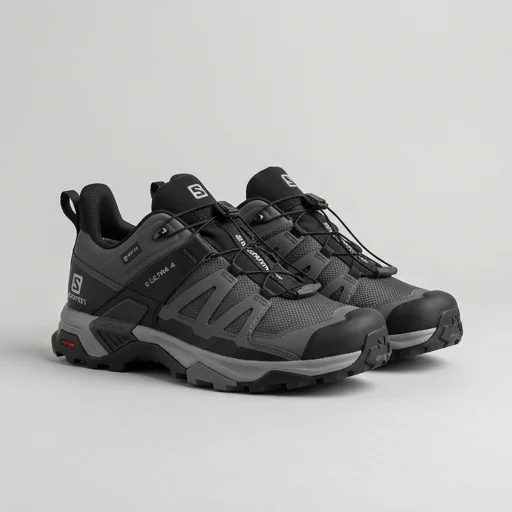
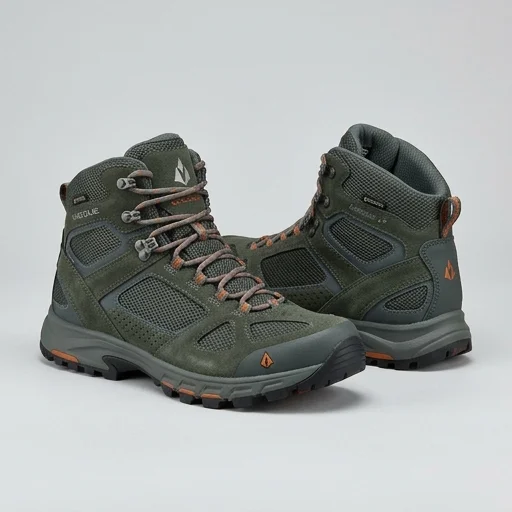
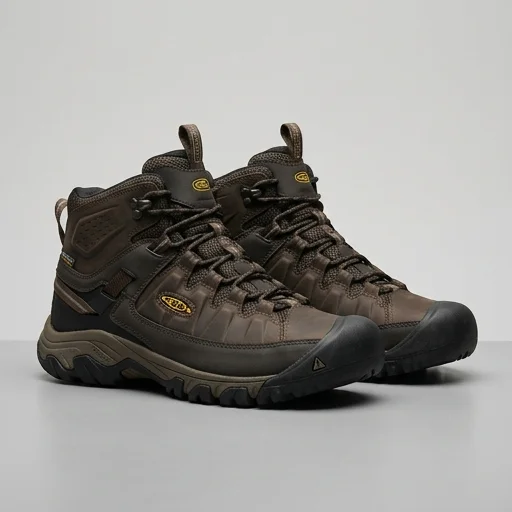
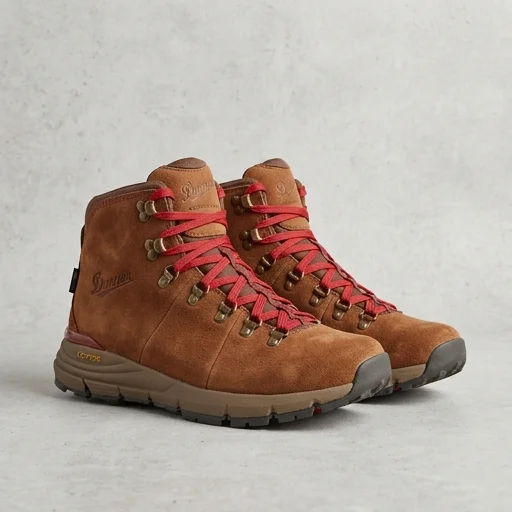
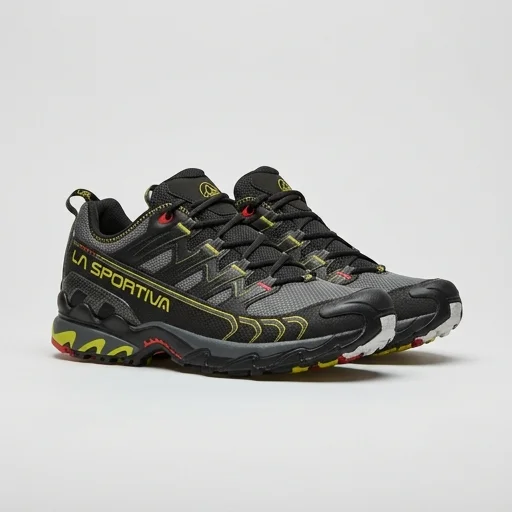
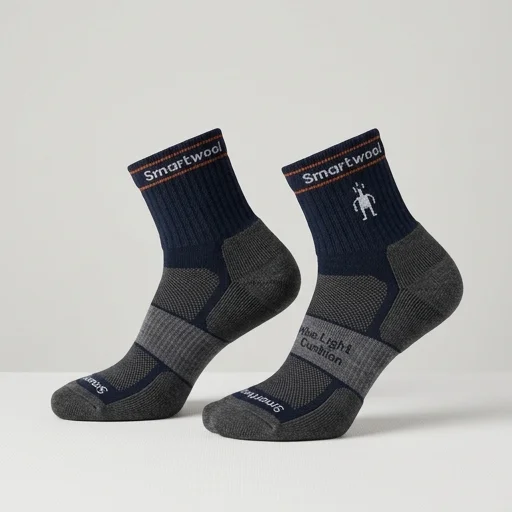
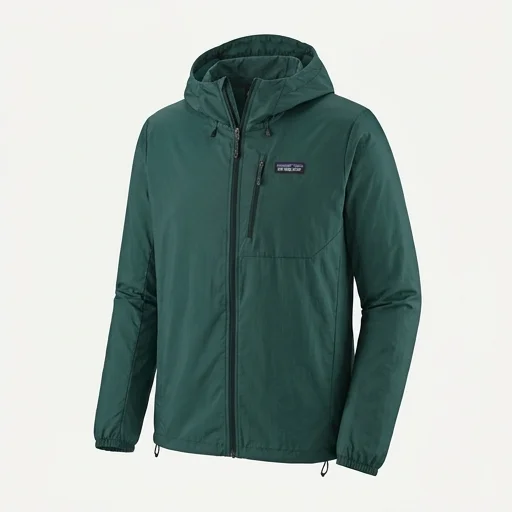
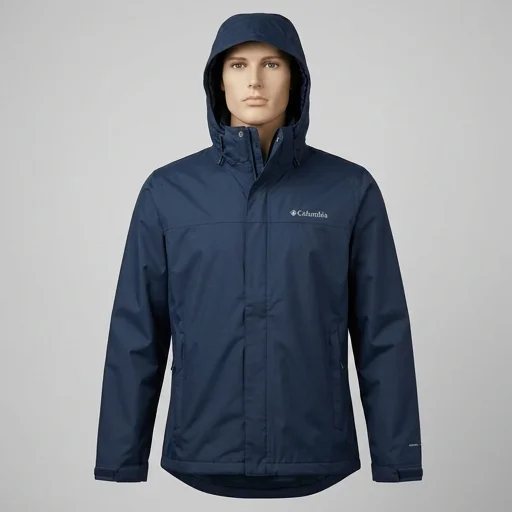
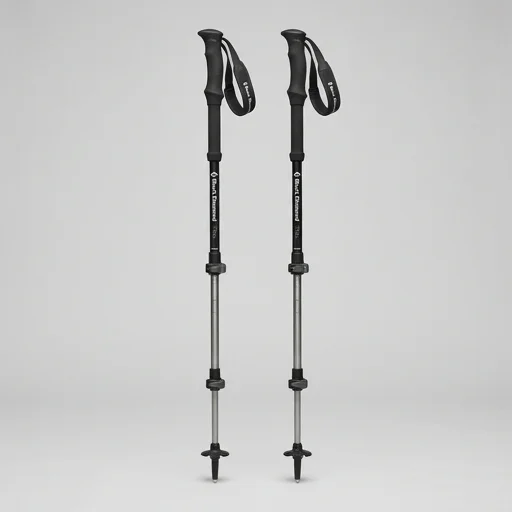
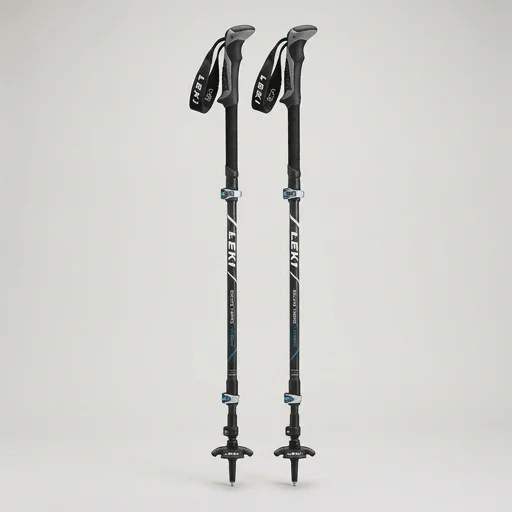
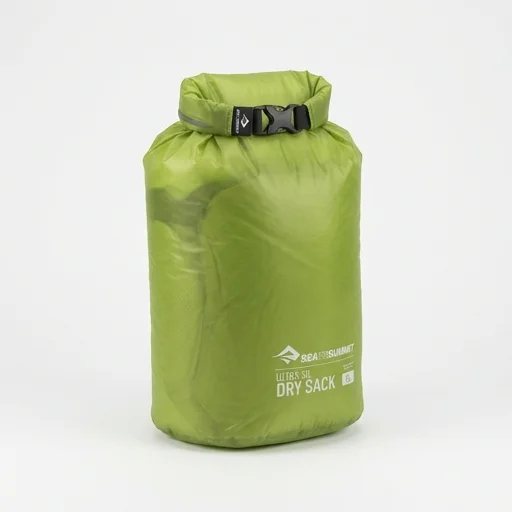
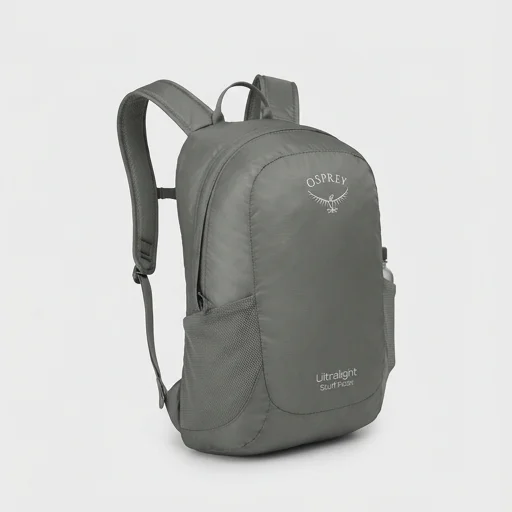
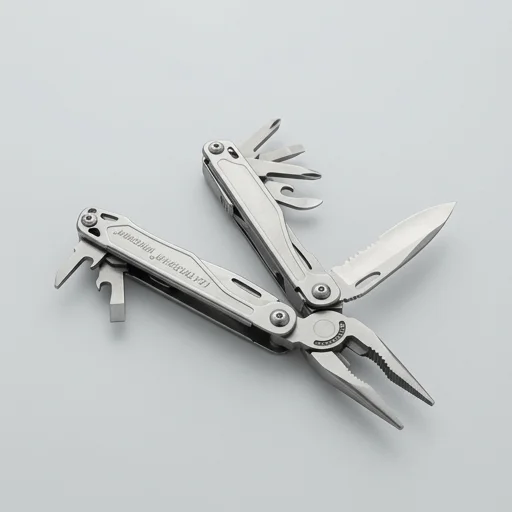
Straight answers to help you choose the right camping & hiking gear before you check out at TrailKettle.
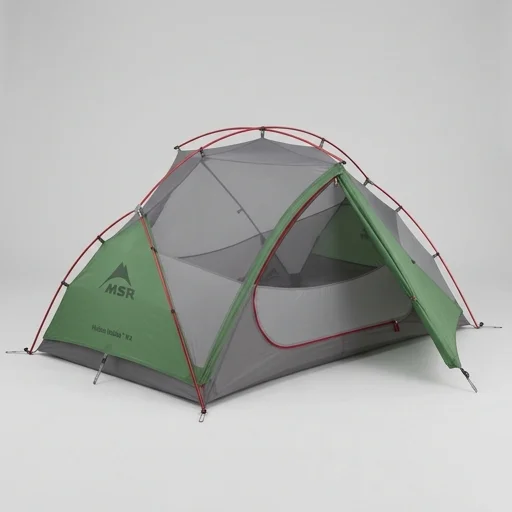
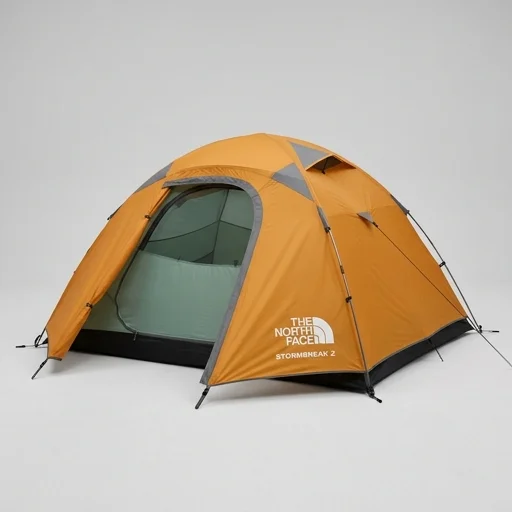
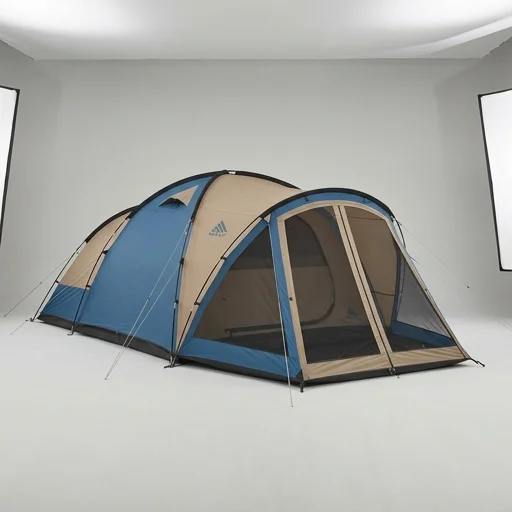
Think about how many people typically need to sleep inside plus room for gear, the seasons you camp in, and how far you have to carry it. A tent that packs light for backpacking may trade off interior space, while a roomier car-camping tent usually weighs more.
Boots generally offer more ankle support and durability for rough or loaded-pack terrain, while trail shoes are lighter and often more comfortable for day hikes. The best choice depends on the terrain, distance, and pack weight you expect to carry.
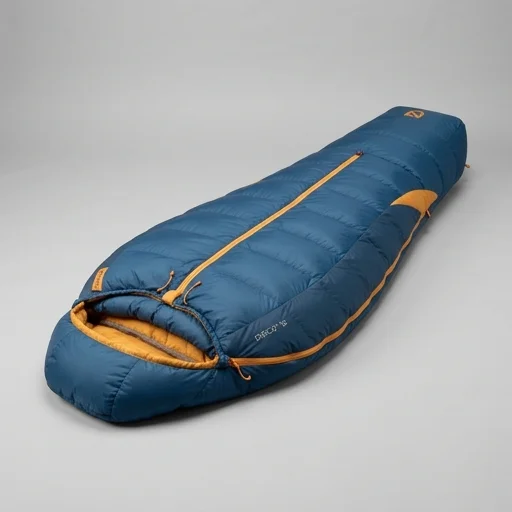
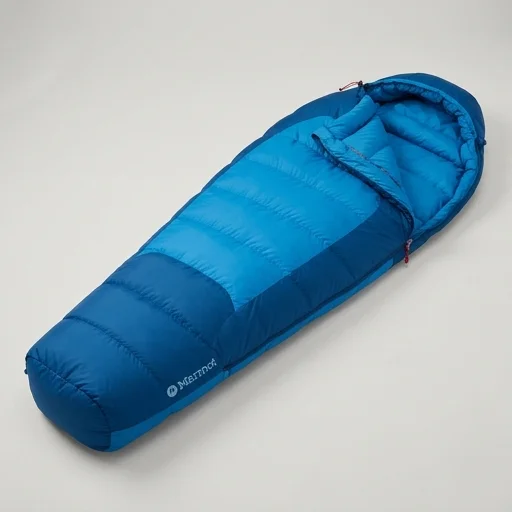
Down tends to be lighter and more compressible for its warmth but performs worse if it gets wet and typically costs more. Synthetic insulation is usually heavier but keeps insulating better when damp and is often more budget-friendly.
Capacity should match trip length and season—shorter trips need less volume, while multi-day or cold-weather trips require more room for layers, shelter, and food. An oversized pack can encourage overpacking, so it helps to match the bag to your actual gear list.
This depends on where you hike and the water sources available. Filters and purifiers vary in what they remove and how they're maintained, so check the details on each product page and choose based on the conditions you expect to encounter.
Higher price can reflect better materials, durability, or weight savings, but the right investment depends on how often and how seriously you use the gear. Reading the specific highlights, pros and cons listed for each item can help you judge whether the extra cost fits your needs.